Episode Transcript
[00:00:00] Speaker A: So, so pre construction project managers to your favorite face out in the field. How did that go?
[00:00:05] Speaker B: Yeah, that one was eye opening. I mean, that's where I really got my hands dirty and started putting the shovel to dirt. And instantly I realized how appreciative I was for what our workers do, you know, down in the trenches, because boy, oh boy, did I take it for granted. I was sweating and out of wind. I thought I was in shape, but I really wasn't. Now I'm watching people going at it non stop and I'm having to take breather breaks and stuff like that, so. And I'm not sure how many people get to experience it when working in the office so much because I'm, I'm sure people take it for granted, but once you go out there, it really opens your eyes to, to everything we do.
[00:00:52] Speaker A: Today's episode on Too big to fail, we have Mr. Mr. Jacob, who started off with Mossy, you, opportunity, right?
[00:00:59] Speaker B: Yes, sir.
[00:01:00] Speaker A: What year was it when you first started?
[00:01:02] Speaker B: It would have been 2025.
[00:01:04] Speaker A: 2025. Okay, so just at the beginning, right?
[00:01:07] Speaker B: Was it at the beginning, I believe around July that we first started the program? Yeah, but yeah, that was in 2020.
[00:01:13] Speaker A: Cool, cool. What was your first thoughts on, like, Moss, you, like, did you, were you hesitant about it or, you know, like, were you kind of like, I'm not sure if this is really a good idea, but, you know, my fiance's pushing me on this.
[00:01:25] Speaker B: Oh my goodness. I mean, at the end of the day, I think the biggest part of that was the career shift or career change.
I mean, that's never an easy transition, but that was probably the biggest factor that kind of made me think, oh, is this going to be the right decision or the right move or is this going to draw back from my career progression in general? And so I just figured it was, you know, a risk that I was, I valued taking, so.
[00:01:52] Speaker A: Gotcha.
[00:01:53] Speaker B: I'm glad I, I did it.
[00:01:54] Speaker A: So before we dive in into your, like, career path right here so far, tell us a little bit about yourself, man. Like, where are you originally from? You know, just to, you know, get to know you a little better.
[00:02:05] Speaker B: Yeah, I'm glad to say I'm. I was born and raised in California.
[00:02:10] Speaker A: Awesome, man.
[00:02:11] Speaker B: Just north of San Diego in a city called Temecula. Yeah, we were well known for our casino and the wine country that we have there. But yeah, so I was born and raised in Southern California.
[00:02:22] Speaker A: How long did you. So how long were you there for?
[00:02:25] Speaker B: From age zero all the way up until I was 24 years old. And that was in 2024 that we made the transition out here to Dallas, Texas.
[00:02:35] Speaker A: Gotcha. Gotcha. And that's where I'm assuming you met Silver and whatnot, right?
[00:02:38] Speaker B: Correct. Yeah, we actually went to the same high school. Just didn't know each other. Yeah. Until after the fact. When we met. We were both at separate colleges, but we met through a mutual friend then.
[00:02:49] Speaker A: Gotcha. Gotcha. So we. We talked about how, you know, your upbringing was in California. Right. Just because I don't know California very well. I mean, I know from north to south. Right. But how close were you to the beach?
[00:03:01] Speaker B: So where I was born and raised was about an hour from the closest beach. But once I moved to San Diego, I actually started working at a surf shop called Jack Surfboards, and that's in Orange county, so.
[00:03:14] Speaker A: But at the surf shop, what did you do there? Like, did you just. We just kind of like retail. You sell stuff there? Would you sell surfboards? Yeah, I mean, did y' all service them? I don't know anything about surfboards.
[00:03:22] Speaker B: We did about everything.
[00:03:23] Speaker A: It was like, got saddles over here, man. Not surfboards.
[00:03:26] Speaker B: Oh, yeah, it's absolutely different. I mean, this was.
It's called Jack Surfboards, but it's curated for anything, like ocean related. Skating, snowboarding, all of those types of sports, you know, meshed into one. So being in Dana Point, California, which is, you know, just south of Huntington beach, we were dealing mainly with surfing and skating. And so we would do anything from just selling a surfboard to clothing to, you know, servicing whether they needed new fins put on their board, things of that nature. Now, that goes with saying, I have never surfed all but one time in my life.
So I was kind of just going through the motions with these customers and. And using my best sales tactics.
[00:04:11] Speaker A: There you go. What did. So you said you only surfed one time. What was that like? Did you like it?
[00:04:16] Speaker B: Yeah, that was in San Onofre. I was surfing on Whitewash, which means, you know, when the wave breaks and it's that white water you see churning.
So I can't really say I've surfed because all I did was boogie board and stand up for like three seconds. But I. I'm going to say I have surfed.
[00:04:32] Speaker A: Yeah, there you go. I would say the same thing, man. Yeah, same thing.
[00:04:36] Speaker B: For me, it was like BMX skating for when I was very young, but went to BMX and then snowboarding as I got older. Because in California, at least where we lived, it Was, you know, a three hour drive to the nearest mountain.
[00:04:50] Speaker A: Yeah.
[00:04:50] Speaker B: And in the same day you can go skating, snowboarding and surfing, so.
[00:04:54] Speaker A: Oh, that's interesting. Yeah, I think we got fishing. Fishing and fishing, man.
[00:04:59] Speaker B: Yeah, so just about. And yeah, you know what, speaking of fishing, when I moved out here, I never really fresh fish, fresh water. And so it was mainly going on charter boats out of San Diego for a day trip or maybe a two day trip. And once I moved here, you know, I didn't really have many friends and, and so I picked up fishing as my hobby, to. Which I love now.
[00:05:25] Speaker A: Yeah. Have you been to the. I don't know if they're the same like all over the U.S. right, but like, did y' all have like a Bass Pro Shop back over there or like a CA over there?
[00:05:36] Speaker B: We did, yeah. Or I think the nearest.
I'll probably botch where it was located, but Bass Pro shop was the closest. Large rep.
[00:05:44] Speaker A: But are they the same, like, are they set up the same like this
[00:05:47] Speaker B: one big fish tank. Right. Two stories, massive fish tank. You could look into it was.
[00:05:52] Speaker A: Did they also have like a mountain, like in the middle?
[00:05:54] Speaker B: Yeah, well, I don't know if it was a mountain per se, but we, we'd have to pull up. Jamie, pull it up.
[00:06:00] Speaker A: I'm just kidding.
[00:06:01] Speaker B: We'd have to pull up the inside of him. But yeah, same idea.
[00:06:04] Speaker A: Well, like I said, I've never been over there, so I don't know I, I.
[00:06:06] Speaker B: If it's curated.
[00:06:08] Speaker A: Yeah, well, the, the ones over here at least the one in, what is it on 35 going north? It's towards like alliance by the Texas Motor Speedway area.
Like, you walk in and it's like there's this, this big mountain and there's like a bunch of like animals on it. Like they have like, they even have like a polar bear.
[00:06:27] Speaker B: Yeah. Like a bobcat.
[00:06:28] Speaker A: Yeah, yeah. They have a bunch of animals around it and then they also have like, you know, a fish tank and then. But they have like the safari area where they have like, oh, cool, A lion and they have hyenas. They have an elephant in there.
[00:06:39] Speaker B: Yeah, I'm, I'm not certain they had that there, but I'm sure they had taxidermied animals and whatnot. But I'll have to check that one out.
[00:06:46] Speaker A: You should go to that one because they, they even have like a, a showroom for like deer and elk and all that. And it's just like a big showroom and then they have, which we're a little different Here in Texas, we. We love our guns, but they have a. A. A gun. Like a gun showroom where they have, like, really nice guns.
[00:07:05] Speaker B: Yeah. The exp. All wood cabinets.
[00:07:07] Speaker A: Yeah, they have some really nice guns at that.
At that Cabela's. I think it's the Cabela's. Yeah, it is the Cabelas. I always confuse them from Bass Pro Shop with that.
[00:07:15] Speaker B: Yeah. I. I like to imagine I'm more familiar with, like, the shields.
[00:07:21] Speaker A: Yeah.
[00:07:21] Speaker B: In. Near the colony, because that's where we originally.
I like that I walked in there and saw the Ferris wheel. I'm going where. Yeah. So all that was kind of like a jump for me. And also, you know, everything's bigger in Texas, they say.
[00:07:35] Speaker A: Right.
[00:07:35] Speaker B: So they're not wrong about that one bit.
[00:07:37] Speaker A: That's. That's cool. Yeah, I like shields. When I went for the first time, I think it was maybe a couple years ago, but I had never gone. And so seeing the shields just like, oh, this is nice.
I can't go there without spending money, which sucks. But, yeah, it's. It's nice, but. So you've been fishing already around here, or. No.
[00:07:55] Speaker B: Yeah, I've been fishing. It was mainly I was going to just, like, freshwater ponds and lakes, but I've never been on, like, somebody's boat here and actually ventured out that way.
[00:08:04] Speaker A: Do you know we have a, Like a. A fishing guy that works here at Moss.
[00:08:07] Speaker B: No.
[00:08:08] Speaker A: Yeah, his name's Christian Hernandez. What?
He loves fishing.
[00:08:12] Speaker B: Oh, okay.
[00:08:12] Speaker A: Oh, yeah.
[00:08:13] Speaker B: Does he actually.
[00:08:13] Speaker A: Yeah, he loves fishing, man. He's a. He's a big fisher fisherman. I actually went with him on a. On a Saturday.
We went creek fishing, which is pretty cool. It was a good experience.
[00:08:22] Speaker B: Sure.
[00:08:24] Speaker A: What I liked about the, like, experience was, like, he's very humble. So, like, I didn't really know anything. I like the concept of fishing, but I never really, like, got exposed to it growing up. You know what I mean? It was just mainly baseball.
So being with him, like, he was teaching me how to, like, tie a knot, do this, do this with your line, throw your rod this way. It was very, very, very humbling. You know, the way that he, like, took the time to. To show me how to, like, fish, like, creek fish. Right. Yeah. What. What do your parents do?
Like, what are they into? Like, as far as, like, their career paths.
[00:08:59] Speaker B: So my upbringing was revolved around both of my parents and the careers they had. So my mother had a really busy schedule working as a nurse and now a manager of her department. So, you know, it was everything was safety when I was growing up. Right. Wear your helmet, do this. And so that was super sweet. But at the end of the day, she worked long shifts, so I wouldn't be able to see her as much as my father, who worked from home. And he's always been a sales manager for various sports companies like Nike, Umbro, New Balance. Currently.
[00:09:35] Speaker A: Cool.
[00:09:36] Speaker B: My dad's from England. Right.
[00:09:37] Speaker A: I didn't know your dad was from, like, he was born and raised over there.
[00:09:40] Speaker B: Yeah. Until he was 20 something.
[00:09:42] Speaker A: Wow.
Do you have an accent?
[00:09:44] Speaker B: So, yeah, my dad was born in. In an area called Sheffield, which is like northern England. But he moved out here when he was about 25 or so, and that was originally to New York and then went to California. So he still has an accent. You know, I get that question.
[00:10:02] Speaker A: That's awesome.
[00:10:03] Speaker B: From everybody, I tell. But he still has the accent. It's just watered down, at least to me. And I'm sure by his standards. Yeah, it's, you know, until he's back in England where it picks up, or he's surrounded by friends, you know, who still have thick accents.
[00:10:16] Speaker A: So your mom and him met here in California?
[00:10:19] Speaker B: Yeah, they met in San Diego. Okay.
[00:10:21] Speaker A: Yeah.
[00:10:21] Speaker B: I think she was working at some, like, retailer, and he ended up meeting her through one of her colleagues, so.
[00:10:29] Speaker A: Interesting. So Dad's from England. What about your mom? She was born and raised here in
[00:10:33] Speaker B: the U.S. yeah, she was born and raised in Illinois. Peoria, Illinois. So I think that's close to Chicago. I've never been back. It was a small part of her life. And then she bounced around, you know, Arizona, here, and ended up in Northern California near Yosemite.
And that's where my grandpa was a park ranger at the Yosemite National Forest. And their true upbringing, or at least for her, was in Mariposa, California, which is just south, I think, of Yosemite, but interesting.
Yeah, two different dynamics. I mean, the. The English side of my family definitely dominated our household from my dad. So, you know, it was. Everything was soccer related and. Yeah, you know, every weekend it was soccer games, not baseball, not football. So, like, people at work, you know, try to talk to me about it, but I just don't know anything. So outside of soccer and. And that was really, like, the. The main part of my life and focus up until I was, you know, in high school. Gotcha.
[00:11:42] Speaker A: Yeah, gotcha. That's interesting. I would have never thought that that's
[00:11:47] Speaker B: very, very interesting to touch on, like, going back to England. I mean, my dad, I think, is just so Sick of traveling, because that's what he's had to do his whole life. I mean, majority of the time when I was younger, it was flying out to England, you know, one or two times a month.
[00:12:05] Speaker A: Oh, wow.
[00:12:05] Speaker B: And. But that was all work related. Right. So he didn't enjoy the experiences as much as visiting family, you know, and it takes a toll on you after
[00:12:14] Speaker A: doing it for how long's the flight from. From there to England?
[00:12:17] Speaker B: I think, I mean, most of the time you'll be going out of probably like New York or Atlanta as a connecting flight, so. But from there, I mean, I'd at least imagine maybe eight to nine hours. Well, I just. It's been such a long time for me because the last time I probably went out there was when I was 13, because at that time I was invited from a club called West Ham. They run an academy or a youth academy. So I was invited out there originally at 10 years old. And so we would go place or I would go play soccer.
[00:12:50] Speaker A: Gotcha.
[00:12:51] Speaker B: In London.
[00:12:52] Speaker A: So you just dropped soccer from one day? Oh, yeah.
[00:12:55] Speaker B: But it was so involved for me at a certain point because now I'm traveling out to London to play with these teams. And at that point it really shifted the focus of my parents life because they were about to commit to moving full time in England.
[00:13:12] Speaker A: Wow.
[00:13:13] Speaker B: For my pursuit and.
[00:13:15] Speaker A: Yeah.
[00:13:15] Speaker B: And you know, when you have that weighing on one shoulder and your own ideas in your head, it. Yeah. It can manipulate how you're thinking about the decision itself. So, you know, I'd done it a few times going out there to play with West Ham and.
And you know, and now everybody will bring it up to like, oh, what could you have been? I was like, I just did what I wanted to do. So at the end of the day,
[00:13:37] Speaker A: that's what matters, man. Doing what you wanted to do. Yeah, but now you're wearing cowboy boots.
[00:13:42] Speaker B: Yeah, exactly. I'm. I'm happy with it. Yeah. I think we joked around and said from flip flops to cowboy boots, but I never even wore flip flops.
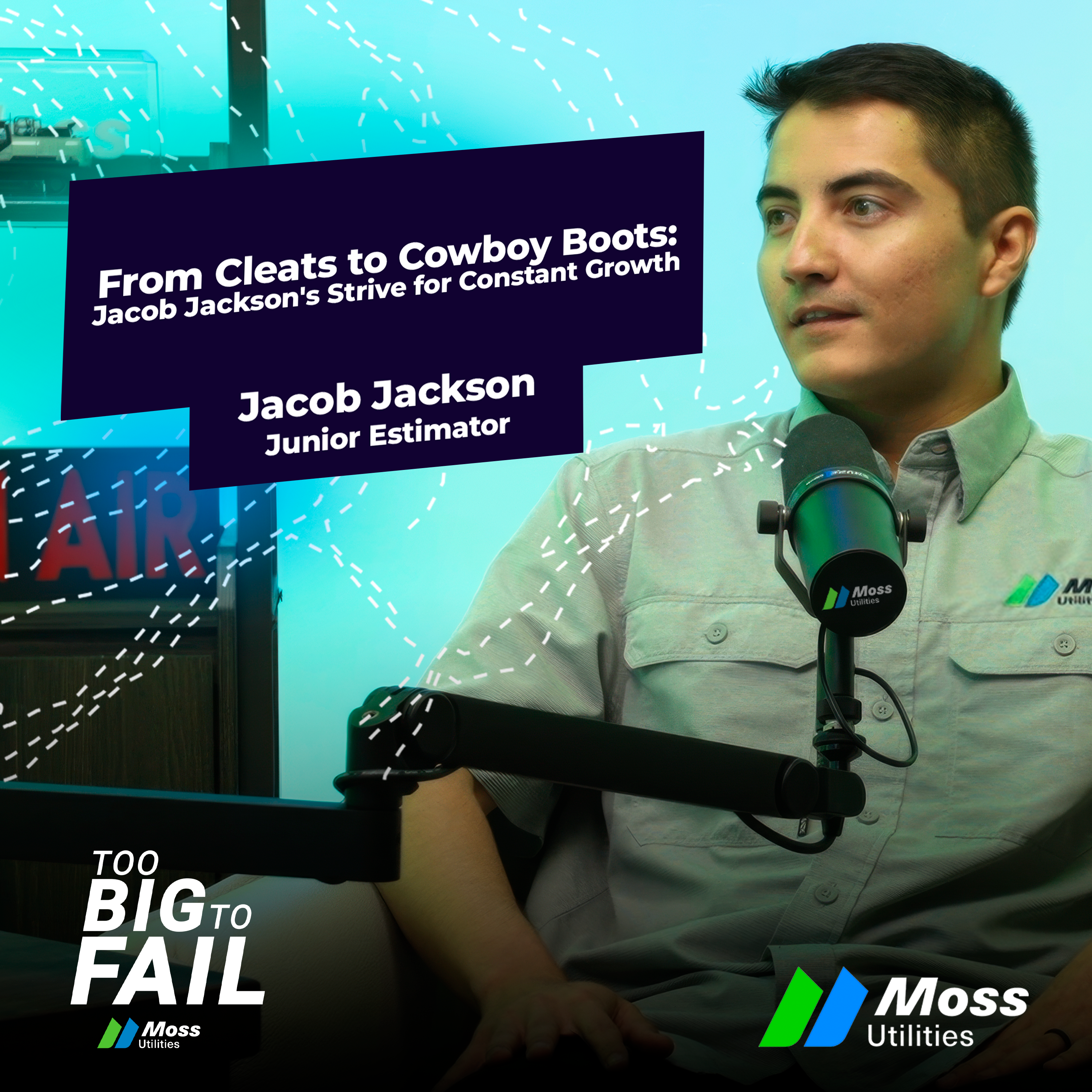
[00:13:50] Speaker A: So I think we can say cleats to cowboy.
[00:13:52] Speaker B: Yeah, Cleats to cowboy.
[00:13:53] Speaker A: Yeah. Sorts to saddles, but yeah, I like that. Have you gone in stockyards since you've been here?
[00:14:00] Speaker B: No, I still haven't. I mean. Okay, you keep in mind, Keep in mind. I didn't realize how large DFW was. I know. I know it by population size. It's huge.
[00:14:09] Speaker A: Yeah.
[00:14:10] Speaker B: But I thought it would be like. Oh, yeah, like 30 minutes from.
Yeah, no, so it's not at all. So from McKinney, where we live right now, to the sock yards, when I looked that up, I'm like, okay, we'll definitely have to plan this out.
[00:14:23] Speaker A: Yeah, I love a little weekend trip. I think One of the PMs, David, I think he went up to the stockyards and he was like, I think my wife wants to move down here. And I was like, we have that effect in Fort Worth, man.
[00:14:35] Speaker B: So, no, I need. I need to venture out, and I'd love to go and see it. I mean, the fact that while we're doing this right now, the World Cup's going on, and I know fans from traveling from all over the world have seen it before me, and I live here, so, I mean, I have no excuse.
[00:14:49] Speaker A: Do, like, a little weekend trip. Go out there, stay. Stay out there Friday night, Saturday night, come back Sunday. It's. It's nice. Now. You can definitely drive up there in the morning and make a day out of it for sure, and come back in the afternoon.
[00:15:01] Speaker B: But, yeah, I mean, at that point, if.
[00:15:04] Speaker A: Yeah, I might as well stay out there.
[00:15:05] Speaker B: No, and. And I know that my. My father really wants to go and see it, so really, we'll have to make a point to do it. I saw all the England fans who were in town. They were at the rodeos and what? Yeah. And so I'm thinking, yeah, just. It's our turn.
[00:15:18] Speaker A: Just the stockyards. You could make a trip, like, just, like, go to different areas at the stockyards.
I mean, they have, like, really nice restaurants out there, like fine dining restaurants and whatnot that I'm sure you would appreciate.
But yeah, the stockyards is definitely, like, a go to experience.
I live, like, maybe like 20 minutes from it, but I grew up in that area, too. Like, we would just drive by to go to baseball practice through there. You know, I had to.
I would ride my motorcycle through there as well. You'll have, like. Like really nice motorcycles, like choppers, and
[00:15:51] Speaker B: I'll run through it. Do they ever do, like, rod runs, like, old classic.
[00:15:54] Speaker A: Yeah, no. Yeah, they'll have, like, old school cars. Like, they'll have, like, classic cars, like Novas. They'll have belairs. They'll have. Oh, my gosh, a lot of car clubs and truck clubs, because we're big in trucks here. We'll go through there and they'll just drive, just cruise. I mean, it's. It's a big. That's a big deal down there.
[00:16:13] Speaker B: Cool.
[00:16:13] Speaker A: It's really.
[00:16:14] Speaker B: Yeah, no, I'LL have to. We used to.
I got into the car scene from my grandpa, who was big into drag racing, so.
And that, coincidentally, was. He had a. What was it? 1970 Nova SS.
So that. And he had a 57 Bel Air. So I just found it coincidental you mentioned the two of those together.
[00:16:32] Speaker A: Yeah, they have really nice cars down there that they'll just cruise down there from time to time. They actually have a Toccova store there and.
[00:16:41] Speaker B: Do they?
[00:16:41] Speaker A: In the stockyards? Yeah. So they have a cover store. They have a La Casey store. They have cabinets, big cabinets there.
[00:16:48] Speaker B: I did get my first pair of round toes, so, yeah, round toes are nice, man.
[00:16:52] Speaker A: You definitely style them up pretty. Pretty nice. But, yeah, the sock yards is definitely a place to go. There's a lot of little, like, taco shops on the outskirts of the stockyards that are definitely worth trying, but. Yeah, make a. Make a trip out of it out there, man.
[00:17:07] Speaker B: Cool. Make a trip.
[00:17:08] Speaker A: Take Miss Silver out there. She would like it.
[00:17:10] Speaker B: I sure will.
[00:17:11] Speaker A: Yeah, she would like it.
[00:17:12] Speaker B: You didn't hear that from me. It was from Angel Silver.
[00:17:15] Speaker A: If he doesn't go to take you in the next month, and we got to have a conversation.
[00:17:20] Speaker B: No, it's crazy. The Silver used to ride horses all the time and stuff as a kid, and then she worked at Boot Barn.
[00:17:25] Speaker A: Yeah. That surprised me when she told me. I was like, you ride horses?
[00:17:29] Speaker B: Yeah. And also, you played volleyball. Yeah, one threw me off as well.
But in Temecula, where we grew up, it was. We had a ton of stables. I mean, I. I don't. If Zach was here, he could tell you the whole history of Temecula, but I know it was the Butterfield stage, which I believe came from Texas. It was some postal route for, like, U.S. mail or something, went from Texas all the way. And one of those routes led through Temecula. Interesting. And so in the very early beginnings of Temecula, it was Native Americans and Native. You know what I mean? And all the tribes that were in the local area and also the cowboy scene. So we had our old town and our saloon, and so, yeah, whenever. Interesting.
[00:18:14] Speaker A: So. So the family they're having in California, they're essentially my grandma's.
She had two sisters and two brothers out in California. And when they first came down here, like, there was. You know, they had kids that are, like, our age, and they're like, why do you wear boots every day? And I was like. Or like, why do you wear them so often? I was like, this is what we're used to. And they're like, like, there's so many trucks over here. We're not used to seeing trucks like this. I was like, because we just like trucks over here, man. I was like, it's just, it's. They, they definitely had, like, a perception, though, of Texas, of being like, like, I was like, hey, y' all should, like, move down here. You know, it's just in conversation, they're like, no, man. Like, then we're gonna have to drive an hour just to get to Walmart. And I was like, I want, like, down the street. Like, that's not really the perception.
Like, you know, moving down to Texas, you're not going to be far away from anything. Right. There's, of course, the, the towns that are on the outskirts, but there's, you know, in the DFW metroplex, you know, they, there's definitely a Walmart down the street. There's Target.
[00:19:13] Speaker B: Oh, yeah. I mean, and I can understand where they're coming from. I, I, I think the biggest shift for me is in California, right. You're paying for. Or in Southern California, at least, you're paying like a weather tax. Right. That, that, and you're paying for, I guess you would say, like, the natural beauty of the state. Right. So the oceans and, and the mountains. So coming to here, I think the biggest one for me is I never cared about the whole paying for the beach. Like, I, I never even really went to the beach often.
[00:19:44] Speaker A: Yeah.
[00:19:45] Speaker B: And so transitioning here was probably easier for me than somebody who spends every day surfing.
[00:19:50] Speaker A: Yeah, for sure.
[00:19:52] Speaker B: And, and, but the one thing that sticks with me is I do miss seeing, you know, mountains or I'm going through a valley, you know.
[00:20:00] Speaker A: Yeah.
[00:20:00] Speaker B: At least here in dfw. But at the end of the day, at least I can use IKEA as a landmark.
[00:20:05] Speaker A: So there you go.
[00:20:06] Speaker B: Yeah, I think it's that and water towers.
[00:20:09] Speaker A: There you go.
[00:20:09] Speaker B: But I love it and couldn't be happier. I made the transition to move states, and I didn't bring baggage with me. I brought my fresh self and that's it.
[00:20:20] Speaker A: But that's cool, man. So you made your transition out here, you know. What made y' all move out here to Dallas specifically?
[00:20:28] Speaker B: Yeah, that was a big change. I can't say that, you know, the price you pay to live in California was worth it for us. So that had a big effect and kind of steered Silver and I in the direction of maybe we should look elsewhere, look at a different state and see if we can find and build a career. There. Yeah. We were both finishing college, so I had already earned my degree at this point, and Silver was finishing her last year, and that's when it started to get the ball rolling of, okay, we should look in another direction, and hopefully a state that, you know, doesn't have state income tax.
[00:21:03] Speaker A: Yeah. So did. Did you know anybody out here, or did y' all just kind of move, you know, not knowing anybody out here?
[00:21:10] Speaker B: No, we. We moved out here, you know, with the clothes on our back. And I personally didn't know anybody out here in Dallas, but Silver's family was originally from San Antonio. Okay. So she has two siblings that both at the time lived here, one in Duncanville and one in Louisville. So we had at least somebody to connect with once we moved out.
[00:21:32] Speaker A: Resort to you if you had any questions or whatever about areas and whatnot. Gotcha. Gotcha. Well, that's cool. What was your first gig out here? Like, what did you, you know, jump into?
[00:21:41] Speaker B: So in order to make the transition, I said, well, I better have a job. Right. So started looking at jobs in the Dallas or Dallas Fort Worth area, and sure enough, I landed a role as a regional sales associate at an investment firm, which correlated with my degree. So I moved out here to Plano, and that kind of started it all.
[00:22:04] Speaker A: Yeah.
[00:22:04] Speaker B: Yeah.
[00:22:04] Speaker A: What about Silver? What did she run into?
[00:22:07] Speaker B: So we had made the decision that if one or the other found a job first, we'll make the transition out here to Texas, and then the person who didn't find one know would begin their search. And actually, that's when Silver found out about Moss Utilities. So it. It all came, you know, full circle once I ended up here as well. Yeah.
[00:22:28] Speaker A: Gotcha. Gotcha. Yeah. I think when. When Silver first started, I don't know, she was, like, very good vibes. Like, she had a really good head on her shoulders and, like, was very focused. Like, you could tell, like, she was very detail oriented. And. And I think that's something like, you know, she was working with the execs. You know what I mean? Sure. You know, helping them with stuff. And. And you could tell that she was a very detail oriented person, you know, but. Which was good. Like, you know, that's kind of what we need here is someone who's good with details. Yeah.
[00:22:59] Speaker B: I mean, you don't want stuff falling through the cracks, whether it's on her level or any other department. Right. I mean, when you let stuff fall through the cracks, it doesn't usually result in good things.
[00:23:09] Speaker A: So did you ever think that you would end up At a construction company?
[00:23:13] Speaker B: Absolutely not. Yeah, I, you know, I do have some friends that went into construction. Outside of that, I had no experience, nothing that I could relate to in the world of or in the construction industry.
So at the end of the day, I just never found myself, you know, even imagining myself working for a construction company.
But like I said earlier, you know, it's one of those transitions or, you know, career changes that I couldn't be more thankful for doing because it's opened my eyes and given me an opportunity that, you know, I can grow upon.
[00:23:49] Speaker A: Yeah, that's awesome. And I think that's what I think I've told almost everyone that kind of comes onto this podcast. It's like you don't realize, you know, the impacts that a lot of these construction companies have. You know, we're a specialty subcontractor. Right. But we have a big impact. Just as much as the concrete guys, just as much as the general contractor, just as much as any other contractors. We have a big impact. Right. And it's whenever people start, you know, in the, like, you know, project manager roles, estimating role accounting roles, it's like, oh, like construction companies have that too. Right. You know, and so that kind of puzzles everything together to become like this one great company that we are now.
[00:24:29] Speaker B: Right, Absolutely.
[00:24:30] Speaker A: Yeah. So you started off with Mossyu. What was your. Your first impression on, like, Moss and like, kind of like the process. And I'm not sure if you started here out in the office or out in the field, but, you know, what was that? How did Moss. You look like, you know, what was that?
[00:24:45] Speaker B: Yeah, I. I could walk you through it. I mean, first and foremost, the. Actually the first thing that we ever did was go through a training course with you, which, you know, I found super helpful because, you know, that's the information you want to know before you're sending people out to the field, especially not being around heavy equipment, heavy machinery in the trenches that we're dealing with. Right. So we went ahead, did our training course, and then we had three candidates for this Moss U. And each of us went in our own direction to begin. I was first started in the pre construction or estimating department, followed by project management, and then I went out to the field.
[00:25:26] Speaker A: Okay.
[00:25:26] Speaker B: Yeah.
[00:25:27] Speaker A: Okay. So when you were with the project or the pre construction phase of things, like, who were you, like, shadowing with the most? And.
[00:25:34] Speaker B: Yeah, I mean, there was a handful, thankfully, you know, and I can be beyond grateful for everybody in that department because nobody was, you know, off, off limits of asking A question or shadowing. So everybody, you know, kind of jumped in to be able to make the experience enjoyable and also to help me learn from the experience, getting different people's opinions. Because one way, you know, somebody looks at a set of plans a little bit differently than somebody else. Right. And interprets things differently. So. But I originally was set up with.
Well, I was dedicated to Kelvin. So Kelvin was really like my big mentor in that department. And so originally, you know, we, we sat down and kind of from a high level looked at everything and because it can be overwhelming with the amount of information you're trying to process, so we took it slow at first, just looking at stuff, watching him do perform takeoffs or whatever it might be.
And that evolved to the point where I was able to get my hands on, perform takeoffs, solicit vendors for pricing, and be able to extrapolate the data that we need in order to begin our bidding process.
[00:26:54] Speaker A: Yeah, that's awesome. And I think that kind of says a lot about the, the estimating department because it's, if you really think about it, like, Mossu is still fairly new, honestly. Right. So it's like not only do these guys still have to do their job, right. They now they're getting tasked to also like kind of coach you, help you, mentor you and get you up to speed to kind of get to know the pre construction phase of things. Right. Or I guess a bite of it. Absolutely. So to speak. Right.
But that's good, that's good to hear, man. Yeah, that team over there, they're great. They're very humble.
I know everyone's always willing to help or ask questions, you know, if you need something. So that's, that's good to hear, man. I know that they've grown a lot as well. Right. They had to like tear down the wall and create this one big office.
[00:27:42] Speaker B: Yes.
[00:27:43] Speaker A: So I mean, that's, that's pretty cool.
[00:27:45] Speaker B: But essentially when. And not to jump in, but, you know, I know a lot of business was starting to ramp up when I started the program. So to be able to experience the help and guidance and everything that, you know, all individuals were providing us students and university trainees during the program is just.
I couldn't be more thankful because now that I'm doing it myself, Right. I know how much time it takes to perform the work to the highest level.
So I couldn't imagine at the same time being able to provide guidance to other people and handle questions. And maybe it's a time, right. Where you're so busy, you don't want to answer, but that never was the case here. Yeah, you know, everybody was willing.
[00:28:31] Speaker A: I think Garrett would appreciate that, honestly. So.
So from pre construction phase, he went to the project managers.
[00:28:37] Speaker B: Yes, sir.
[00:28:38] Speaker A: Did. Would you say that the pre construction phase kind of like was an easier transition to go to the PMs, or would you say that was kind of like, okay, this is not what I was expecting at all?
[00:28:48] Speaker B: No, I.
And ideally, I think if there were to be a structure, you know, in the way that you're laying out, okay, you're going to start here, end here.
I would.
Ideally, I think the preferred method would be to start in pre construction, follow through with project management, and end in the field. Right. So you can get this, the full process. Right. We have processes here. So we can, you know, start in the beginning and see what the project's like at the very end. Right. When we're closing out of stuff. So it was an easier transition, I'd like to imagine, compared to my other colleagues who were in the training or the university program with me, because transitioning, you know, now I've learned how to read a set of plans. Now I can interpret things so that when I advance into the project management department, I'm able to take the, you know, the information and knowledge that I learned from pre construction and apply it to anything that was relatable in project management.
[00:29:53] Speaker A: How was the. So how was that working with the project managers? You know, like actually dealing with the actual project now that it's been like, awarded?
[00:30:00] Speaker B: It's a lot more. I mean, you know, the first week, right, you're. You're exposed to, you're limited on what you're exposed to.
The moment I started seeing everything that our project managers do, and sure, I'm, I'm sure it's for all industries, but it made me definitely take a step back and appreciate everything that they have to go through to make sure that these projects are managed properly.
[00:30:25] Speaker A: Yeah.
[00:30:27] Speaker B: But yeah, it was just kind of one of those, like, holy smokes, you guys do all this, you know, and it's nonstop. I mean, you know, you're handling multiple projects at a time, varying in different types. So whether it's commercial or a data center or school, and they're all a little different.
[00:30:44] Speaker A: They're all a little different.
[00:30:45] Speaker B: And everybody's, you know, reaching out to you, asking you questions, hey, where's this at? Where are we, you know, at at this stage? And, and so to be able to manage that, right. That workload and always keep track of where you're at on, on each project. It was just something that, you know, I couldn't appreciate more that our, our workers do.
[00:31:05] Speaker A: So, so, so like what would you say that now that you're in the estimating department like full time now. Right. What would you say that helped you out the most? Being with the project managers?
[00:31:15] Speaker B: I mean, I think it's more so learning it in order to estimate the costs that are going to be involved in a project.
It's once when you're in, when you're seeing everything that the project managers do. Right. You're able to factor all of that information into our estimating or our bids.
So without being able to see, you know, whether maybe it's an issue that project managers are running into because estimating didn't pick it up or didn't see it the same way.
So you start to learn, you know, costs that can be associated with to the project that maybe you just didn't interpret the same way that the project managers are having to handle it now. Yeah, right.
[00:32:00] Speaker A: So yeah, because I mean they're essentially, you know, oversee the, the entire budget of the project. Right, right. But if to your point, like if it wasn't picked up on the pre construction phase, so there's like money being, you know, spent where it wasn't expected to be. Right?
[00:32:17] Speaker B: Yeah. We're not accounting for it. So.
[00:32:19] Speaker A: And when I say money. Right. But it could come down to hey, we're installing this line and we weren't expecting to install this line. Right. Or we're installing these structures and this is what wasn't what we were expecting. You know, they're precast instead of casting plays, vice versa. So I mean there's, I guess I can see how that could help you out.
[00:32:38] Speaker B: Any feedback that the project managers can provide. Our pre construction department only benefits the company as a whole. Because you know, maybe it's just something that we looked over or looked past or it's something new that we can develop and figure out how to. It's something that we can be able to incorporate into our bid or bidding process going forward. So you know, it's just one of those where any feedback that we do get at the end of a job or during it is something that we can grow upon in the reconstruction phase.
[00:33:07] Speaker A: I feel like on the pre construction phase we're always like dialing it in.
Like always like changing up. You know, I feel like all of them are very, very job specific. Like I know that you utilities for the most part can be very like it's Always going to be the same. Right. For the most part. Right. Water, sewer, storm frame, maybe some duck bank. Right. But every project, you have to kind of tweak it to, it's for it to make, make money. Right. Depending on who the GC is, the area, the distance, I mean all of that stuff. Right. So if we can get that feedback to your point, from the PMs or even superintendents back to the estimators, then they can tweak them even better so that we can be more.
[00:33:46] Speaker B: It's all, you know, the wheel's still spinning. Right. But you just got to be able to grow upon it and add to it and, and maybe take away from certain things if it's not a, you know, doesn't have an effect anymore. So.
And I think that that correlates to one of our core values. Right. I mean we're always striving for constant growth and, and that can mean on a personal level or it can mean as a whole, as a collective company. Right. We should all be able to interact with each other to better, better ourselves and the company at the same time. So.
[00:34:18] Speaker A: Yeah.
[00:34:19] Speaker B: Yeah.
[00:34:19] Speaker A: So, so pre construction project managers to your favorite face out in the field. Yeah. How did that go?
[00:34:24] Speaker B: Yeah, that one was eye opening. I mean right now I've seen, I've seen the plans, I've, I've handled that now I've been with the project managers. Okay, what's next? Let's go actually see how this is done. And that's where you gain the most appreciation.
[00:34:38] Speaker A: The final product.
[00:34:39] Speaker B: Yeah, absolutely. Without a doubt, you get to see the real workers. Right. That's how I'd like to put it, actually. Doing everything that we're, we're saying over here, we're showing, we're extrapolating data, but now this is the real deal. So I found that to be the most eye opening experience because, you know, now I'm getting my hands dirty seeing what, you know, our workers and everybody for the company puts in the effort that they provide to be able to get us to, you know, the end goal. Right. So yeah.
[00:35:11] Speaker A: What projects were you able to get involved in whenever you're out in the field?
[00:35:14] Speaker B: So I had a mixed variety actually. Within for the first two weeks of my field rotation I went and I was paired with Oscar Morales. So I got to hang around safety. We ventured to multiple different types of jobs, which I find, you know, is important because without safety, I mean, I don't think I should be walking out there. Right. All willy nilly. So, so we did That I got a venture to a bunch of different jobs. But when I got paired with our superintendent, Cody, I was able to actually be hands on, go to the same locations each day, get more involved and. And see it right out as. As the process went along.
So that included out in Walsh Ranch, we had the subdivision. Yeah, that. So I had subdivision in Walsh Ranch and in a few others that popped up like a couple of schools. So, yeah, I was able to, you know, be able to go on different sites. And I think the biggest thing there was somewhere like a subdivision versus a data center. Right. I mean, a little less supervision over here in terms of safety, being on. Around, on and around you all day, you know, at the data centers. That's how it went.
And also kind of having a lot more of an open landscape and not as many conflictions with other.
With other trades.
[00:36:38] Speaker A: Yeah, yeah. Because I mean, essentially with subdivision, you're not going to have any other trades on site, other. Until all the utilities go in. Once utilities go in, then that's when they start building the homes or whatever, their apartments or whatever. Right. So that kind of gives us free reign to kind of lay some pipe.
[00:36:54] Speaker B: Yep. So, yeah, it was a lot, A lot different than being at a data center. I mean, you know, buildings were vertical, so that's just another factor. But. And having to really communicate, cross. Communicate with the other trades to be able to.
[00:37:11] Speaker A: Yeah.
[00:37:12] Speaker B: Continue on the path that you're going. And. And some days, hey, maybe you can't finish what you're doing here, so you gotta hop and, you know, play a little hopscotch.
[00:37:20] Speaker A: Yeah. Because I mean, I think one, you know, one way you can kind of like compare it is like with subdivisions, we are the critical path. Right. And when it comes to like a data center or a commercial project, we have to follow the general contractor's critical path. Right. And we're maybe a portion of it when it comes to, you know, when it comes to the, like the panels. Right. Or whatever, the, the crane path that we need to get out of the way, because once the crane's there, we're not going to be able to go in until it clears out. Right, Right. So that's. That's a big, you know, we are the critical path when it comes to certain projects, but on others, we have to kind of follow it. Right.
[00:37:58] Speaker B: I mean. Yeah, it's the nature of it.
[00:38:00] Speaker A: Yeah.
[00:38:00] Speaker B: No, but it was great. So I got to, you know, join in with Adrian's crew out on that data center and. And with that said, you know, from My understanding that that crew has been together for quite some time.
I believe family's involved there with his father and uncle.
[00:38:16] Speaker A: Yep.
[00:38:17] Speaker B: So it was a really dynamic crew that was able to provide so much insight for me at least because, you know, I have all these people who have been working for the company for a long time and have been, you know, performing their job duties for a long time. So that's where I really got my hands dirty and started putting the shovel to dirt. And instantly I realized how appreciative I was for what our workers do, you know, down in the trenches because boy, oh boy did I take it for granted. I was sweating. It was cold, it was winter, but I was sweating and out of wind. I thought I was in shape, but I really wasn't. Now I'm watching people, you know, going at it non stop and I'm having to take breather breaks and stuff like that. So.
Yeah. And, and specifically, I know at a certain point there we had essentially a 272 inch runs of RCP that were going out. Yeah.
With a large cast in place head while there. And so being part of that was like a whole nother experience because now we're in this big old trench with, you know, large pipe and at the end of the day it's just like now I'm inside the pipe, now we're laying it down and it's just like.
And I'm not sure how many people get to experience it when working in the office so much because I'm sure people take it for granted. But once you go out there, it really opens your eyes to, to everything we do.
[00:39:42] Speaker A: Let me ask you something. Do you keep up with any of your like older friend, old friends from like in California by any chance?
[00:39:50] Speaker B: I keep up, yeah. With a handful of them.
[00:39:52] Speaker A: So the only reason I ask is have they like, have you talked to them about you, like what you do now?
[00:39:56] Speaker B: Oh yeah. Most of them would never expect me in this position. I have a, a buddy of mine who, my best friend since like kindergarten.
[00:40:04] Speaker A: Right.
[00:40:04] Speaker B: He, his father always worked in, in trades like iron, anything like that. So he ended up going that route. And you know, it's one of those where I imagine in his head, I went to school first and foremost at San Diego State and earned a bachelor's in finance. So hearing finance to working at a construction company, I don't think he expected anything unless I was in our finance department or accounting.
[00:40:32] Speaker A: Yeah. Yeah. How would you, you know, if they asked you like how the culture is, like how would you Explain that to them.
[00:40:38] Speaker B: Or I'd say you wish you could be here. Because beyond.
[00:40:42] Speaker A: I mean, not just because we're a Texas race.
[00:40:44] Speaker B: Oh, well, I mean, that. That plays a part too. Yeah. I mean, it feels like we have a lot more freedom here. So just a little bit outside of that, though. I mean, here at Moss, the company culture, from my experience in previous jobs, it's just above and beyond what I would expect. I know companies have their core values, their mission statements, and. And sometimes, you know, those are just words on a wall or, you know, something that's being told you should feel.
But do you feel it? That's the real question. And. And here at Moss, you do feel it. Previously, it wasn't the same for me. So being able, I. I was just speaking to somebody here internally, and one of my favorite things about my job and working for this company is having a smile on my face when I come to work. You know, I've worked positions where it was one of those where you dread going to work and you're like, oh, here we go, it's Monday. I have five more days.
And so here it's like you. And I enjoy what I do and I love it, truthfully. So being able to wake up happy to go to work is one of the biggest factors, I think. But to speak towards the culture, I mean, everybody here is like one big family.
It doesn't matter what department you're in, if you see each other day to day, everybody's a family and we all collaborate together.
And I think that makes a strong impact on the company and everybody's personal lives involved in the company. So, yeah, I mean, I tell him you should join Moss because he should join Moss. You don't know what good, good is until you experience it.
[00:42:24] Speaker A: Join a good construction company. Right?
[00:42:26] Speaker B: Right.
[00:42:26] Speaker A: There's a lot of construction companies out there. Right. So. But finding a good one is. It's. It's hard to find. It really is.
[00:42:32] Speaker B: Yeah. I mean, we're blessed.
[00:42:34] Speaker A: Yeah, we definitely blessed. And, you know, it takes. It takes a team. It's not just one person, but we're definitely blessed. And I think, you know, I may be wrong, but I'm a big people person. Right. I like, you know, kind of like observing people and how they are. And you're. I feel like you're a little bit more, not necessarily conservative. Like, you're like, you know, more to yourself a little bit. So, like, when I. When I see you laughing or like cracking a joke or something, and like, it just, it brings joy to me personally, just because, like. Like, yeah. He wouldn't use his laugh and he's laughing. You know what I mean?
[00:43:05] Speaker B: Yeah.
[00:43:05] Speaker A: So, you know, like, the other day we were talking with Zach and all that.
[00:43:08] Speaker B: Oh, my. Yeah.
[00:43:09] Speaker A: It's just. It's just good conversation. Absolutely. But the fact that we can do that, like, I feel like there's other places where you can just, like, oh,
[00:43:15] Speaker B: hey, they're watching us, like, and. And, you know, I won't name places, but I've worked in.
And not to compare, but, like, corporate structures. Right. Where you're kind of head down, focused and locked in all day. Yeah. And I mean, that takes a. A toll on you mentally and physically. And it's just one of those where maybe you want to. To speak to your colleagues, but, you know, it's going to be. Look. Looked at as a bad thing. And, hey, why aren't you doing your work? So experiencing that and then transitioning here? I mean, no matter what, the work is going to get done.
[00:43:50] Speaker A: Yeah.
[00:43:50] Speaker B: Right.
I think sharing a few laughs in between, it kind of keeps you going and. And helps a lot in the process.
[00:43:57] Speaker A: Yeah. And I think that's. That's kind of like one of Garrett's biggest things. Right. Because he just recently sent out an email. Right. And he was like, hey, guys, like, y' all should really take some time, like, for, like, mental health and your personal health. Like, hop in the gym, you know, make time for it. You know, like, we all have time to do it. Right. It's just a matter of, like.
I forgot how he worded it, but it was like, you know, time management. Right. Essentially. Right. Manage your time so that you can make it 10, 15 minutes. You don't have to be there, you know, for a whole hour. Like, just take some time or do some team bondings, which I think that's what y' all do on Fridays.
[00:44:30] Speaker B: Yeah. So, I mean, today is a Friday that we're filming this, and shortly after this, we'll probably gather the department together and play some pickle ball or hop in the gym. And whether that's individual workouts or anything, we're doing it as a team, which I strongly appreciate, because, you know, sometimes when your team's doing something or other people are doing it, right. You feel the. Not the need, but it can help you to jump into it yourself. Right. If maybe you weren't thinking of doing it on your own.
But yeah, I mean, to. To jump back to the culture part, that's another aspect, because previous jobs, I really couldn't imagine even taking 15 minutes out of my day to be able to go work on my own health.
So here, knowing that that's always an option and it's actually promoted, you know, I'm just so thankful for it because who wouldn't want to work at a company that is providing you resources like our gym, the ability to do it and not be frowned upon in doing so, and also being able to share a few laughs while getting your work done, I mean, that just speaks volumes.
[00:45:39] Speaker A: So, yeah, I think there's a lot of companies out there that are really good, but there's a few that are very great. You know what I mean? And I think back of, you know, when I first started, like there was, there was no podcast room, you know. Yeah, they had the gym. Right. Which was nice and everything, but it's just, it just keeps adding. It just keeps adding. They keep, you know, improving and dialing it in to where, you know, it's, it's more about the people, you know, which, which we can appreciate. Yeah.
[00:46:11] Speaker B: And I mean, facilities like the gym are open over the weekend. Right. You might not be here and so being able to access that right then and there is just another resource that you might not get elsewhere. Yeah. And so seeing people make the most of it is, you know, it just feels good to see.
[00:46:29] Speaker A: Yeah. Well, I'm glad that you're able to take on a full time position here at Moss.
I think like from the very beginning, and I think I mentioned it to you and Silver, I was like, like I knew for a fact that you would get a full time position here and I didn't know where, but just the type of person that you are, that's like as corny as it sounds, like you're a good catch to Moss. Like, I think you're definitely a game changer. Right. Because we need people like you that are level headed, very focused, detail oriented. So I'm glad that you were able to join the team full time because I'm sure you're going to make an impact here.
[00:47:05] Speaker B: Well, thank you. Yeah, that means a lot. I've heard a few people express similar things to me and anytime I hear it just motivates me to do more, work harder and keep growing. I think at the end of the day, that's my favorite core value is we strive for constant growth. I mean, without it, you could be happy just being good enough. But for me, that, that just doesn't work with my personality and, and so work ethic beyond even just your, your personality of having jokes here. I think worth work ethic is, is should be so focused on because at least for me going through the program, if at any point I turned off that switch, you know, I wouldn't be digesting information that other people are taking the time out of their day to provide me.
And so I just made sure from the get go that I wasn't going to change myself for anybody and I was just going to keep striving for constant growth.
[00:48:02] Speaker A: Well, thank you for coming on today.
I think a lot of people will appreciate you and your insight that you have here at Moss. So thanks. Thanks again.
[00:48:10] Speaker B: Absolutely. And I mean, just before we end this, like, you know, my biggest thing would, like I've been saying the whole podcast, it goes back to that, strive for constant growth.
If we can be able to as a whole do that, it's always going to benefit both you on a personal level, as a teammate, as a leader. And these are all things that we need to be successful here at Moss. And so don't, you know, don't be fine with just being good enough, but instead look for that growth and become a better person the next day doesn't mean you have to be perfect, but it just might mean that you're better the next day than you were yesterday.
[00:48:49] Speaker A: So awesome, man. I appreciate that.
A lot of people will appreciate that as well.
[00:48:55] Speaker B: Absolutely. And thank you to everyone that has made my experience here, both in the university program and now in my full time role, just nothing but a pleasure. So.
[00:49:05] Speaker A: It's only going to get better, man. It's only going to get better.
[00:49:07] Speaker B: Yeah, hopefully. Let's do it.